


Argentine Labor Confederation Calls 24-Hour Strike Against Labor Reform

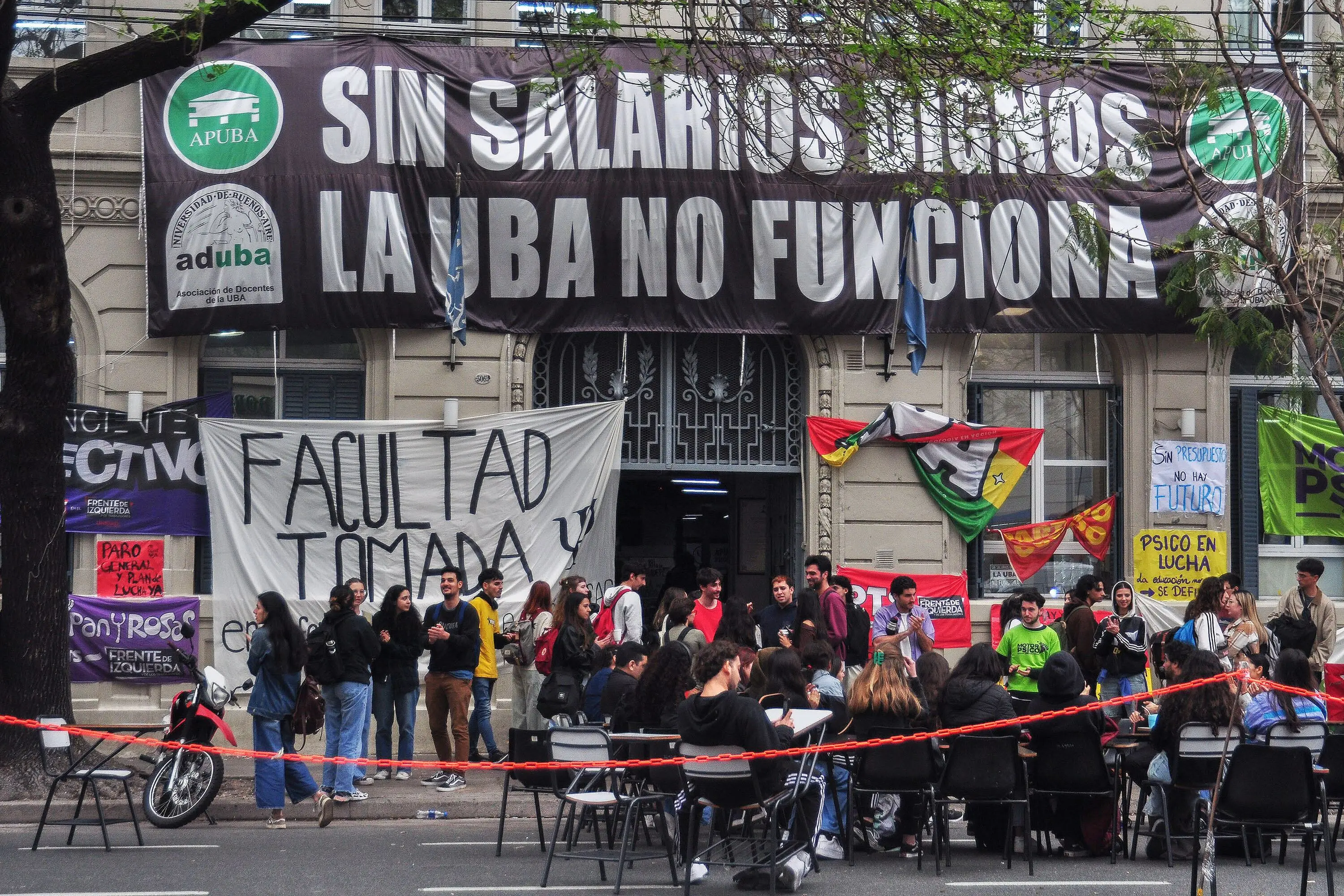
Argentines protest in Buenos Aires, Feb. 2026. X/ @RicardoInterni1
February 18, 2026 Hour: 1:49 pm
🔗 Comparte este artículo
400 formal jobs have been lost each day since the start of the Milei administration in December 2023.
On Wednesday, the General Confederation of Labor (CGT), Argentina’s largest labor federation, called a 24-hour general strike against the labor reform promoted by far-right President Javier Milei.
RELATED:
Milei to Participate in Inaugural Meeting of Trump’s Peace Board
During a news conference in Buenos Aires, CGT Co-Secretary Jorge Sola said the strike could begin at midnight if the Chamber of Deputies ratifies that it will debate Milei’s bill on Thursday.
“Be very clear that what you represent in the Chamber are the interests of the Argentine people,” CGT Co-Secretary Cristian Jeronimo told lawmakers in a message posted on social media, warning that if they pass the law, Argentina will come to a standstill from end to end.
“The CGT disagrees with this bill. We oppose it because it is unconstitutional,” Sola said, recalling that 400 formal jobs have been lost each day since the start of the Milei administration in December 2023.
“If we are not heard, it will only deepen social unrest. We will lead all workers’ demands,” CGT Co-Secretary Octavio Argüello said.
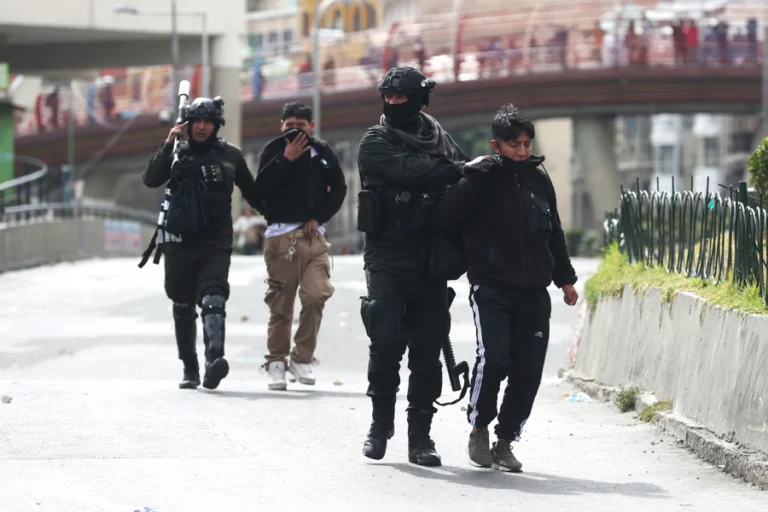
The text reads, “The Milei administration limits journalistic coverage during protests against labor reform. The protests held last week were terribly affected by a wave of violence that ended with the president imposing measures.”
Historic Tire Factory Closes Plant
On Wednesday, Argentine tire company FATE closed its plant in Buenos Aires province due to “changes in market conditions” and laid off 920 workers.
The announcement appeared on a sign posted at the factory entrance, while about a dozen police officers were deployed nearby to prevent workers from entering the facility.
FATE had operated in the country for 86 years and had a production capacity of 5 million tires per year, although it was producing only 150,000 tires at the time of the closure.
In 2024, the company had warned about the negative effects on Argentine industry of the indiscriminate import liberalization policy implemented by Milei.
According to a report by consulting firm PxQ, tire imports grew by an average of 34.8% between 2023 and 2025, leading to a 42.6% drop in prices in pesos.
In the first half of 2024 alone, the company lost more than US$30 million and announced nearly 200 layoffs “to adjust its structure to the new reality.”
On Wednesday morning, about 15 workers managed to enter the facility and, in a video shared on social media, called on employees to “defend jobs.”
Alejandro Crespo, secretary of the United Tire Workers’ Union of Argentina (SUTNA), declared a permanent workers’ assembly and said part of the staff would remain inside and outside the premises “until the factory opens its doors.”
In the first two years of the libertarian administration, more than 21,000 small and medium-sized companies have closed and more than 270,000 formal jobs have been lost, according to data from the Superintendence of Occupational Risks (SRT).
The text reads, “FATE fatory closes: Operators from the San Fernando plant remained inside the premises and broadcast a video from the top of the factory to ask for support and work continuity.”
Maritime Workers Launch Strike at Argentine Ports
On Wednesday, maritime and river sector workers began a 48-hour strike at ports across Argentina, affecting infrastructure, fishing, and foreign trade, in protest of Milei’s labor reform.
“This measure aims to defend our labor rights, the stability of our jobs and the dignity of the maritime family in the face of initiatives that seek to undermine our activity,” the Maritime and Fluvial Union Federation (FESIMAF) stated.
The strike will disrupt normal operations at 17 port terminals nationwide, as these unions perform key tasks for vessel operations such as mooring and unmooring ships, directly impacting and causing delays in the loading of grain and other products.
“The Merchant Marine cannot be excluded from the legal framework that protects Argentine workers. This strike is not against the country or against production; it is in defense of national labor, our working conditions and navigation safety,” the union added.
FESIMAF Secretary Mariano Moreno said naval activity could shift from being a regulated and formal sector “to one governed by individual agreements and single-tax registration, which would lead to the dismantling of the profession.”
FESIMAF currently includes unions such as the United Maritime Workers Union (SOMU), the Center of River Captains and Officers, the Naval Drivers Union (Siconara) and other organizations representing seafarers and maritime and river navigation personnel.
On Wednesday, the Federation of Argentine Port Stevedores (FEPA) announced it would join the general strike called by the Confederacion General del Trabajo. “The reform puts collective bargaining agreements, working conditions and job stability in the sector at risk,” FEPA said.
teleSUR/ JF
Source: EFE